This website preserves past content and is maintained with occasional updates.
Request tailored, remote support on child protection coordination, information management, and thematic areas.
Demander un soutien à distance sur mesure pour la coordination de la protection de l'enfance, la gestion de l'information et les domaines thématiques.
Solicite asistencia remota sobre coordinación en Protección de la Niñez, gestión de la información y otras áreas temáticas.
.قم بطلب دعم مخصص عن بعد في أي من مجالات تنسيق حماية الطفل وإدارة المعلومات أو أي من مواضيع حماية الطفل الأخرى

This training package was developed to strengthen the skills and capacity of Child Protection, Camp Coordination and Camp Management (CCCM), Education, Food Security, and Nutrition cluster/coordination teams and coordination group members to work effectively and collaboratively across sectors to mitigate risks to children and to improve their well-being and protection in humanitarian responses.
It is the intention of this workshop package for coordination groups to come together and strengthen intersectoral collaboration to improve results for children by:
Learning about each other’s work as it relates to children;
Understanding how each sector plays a role in mitigating risks for children and in improving their protection and child well-being;
Improving communication, understanding, and trust between sectors to promote strengthened intersectoral collaboration; and
Planning concrete actions within each sector and across sectors to contribute to children’s protection and well-being collectively.
This workshop package includes the following modules:
Module 0: Welcome and Introductions
Module 1: Core Child Protection Principles and Concepts
Module 2: The Foundations: Child Well-Being, Child Protection Mainstreaming and Working Across Sectors
Module 3: Incorporating Child Protection Mainstreaming Across the Humanitarian Programme Cycle (HPC)
Module 4: Child Participation — Children as Partners
Module 5: Integrated Child Protection Programmes in Practice
Module 6: Developing a Collaborative Intersector Framework
Separate facilitator guides on:
The Basics of Child Protection, Safe Recognition and Referrals for all Sectors module
The Basics of Child Safeguarding module
Thematic Area Guides, Checklists, and General Overview Presentations
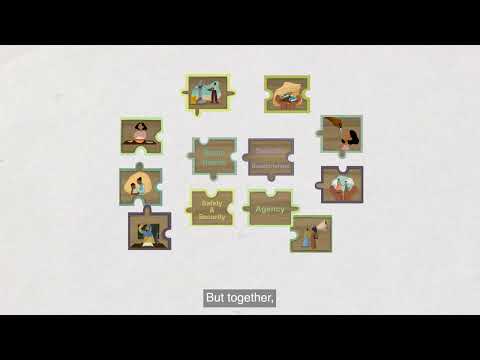
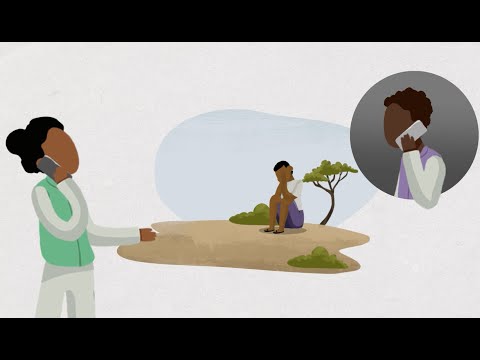
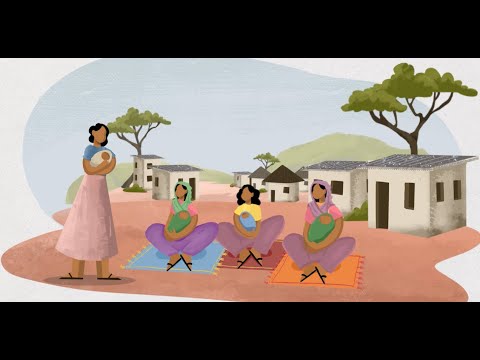
Working Together Across Sectors Video Series (in English, French, Spanish and Arabic)

The Safe Recognition and Referral Rapid Guide serves as a practical resource to assist all humanitarian actors in safe recognition and referral of children experiencing or at risk of harm (child protection concerns). It includes information on:
● What child protection concerns are, including the various forms to be aware of
● Ways you may become aware of a child experiencing or at risk of harm
● A decision tree to guide your response in contexts where:
- There are Child Protection actors—including established Child Protection Focal Points
and referral pathways, and
- There are no Child Protection actors or an established child protection referral
pathways
● Your responsibility in referring children who might be experiencing or at risk of harm
● Do’s and Don’ts to guide a SAFE response
● Key considerations for communicating with children
●Quick steps for using a Psychological First Aid Approach—‘Prepare-Look-Listen-Link’—for responding to child protection concerns
In addition to the guide, an easily adaptable interactive workshop module is available to build confidence and skills of all humanitarian workers and people associated with humanitarian organisations to recognise and respond to child protection concerns safely.

This is an easily adaptable, interactive workshop module to strengthen the confidence and skills of all humanitarian workers to prevent, recognise, and respond to child safeguarding concerns.
It aims to introduce all humanitarian workers to the basic skills to prevent and respond to safeguarding concerns.
By the end of the course, participants will be able to:
● Describe what safeguarding is and why it is important
● Differentiate between child safeguarding and child protection, and situate PSEA as one area of safeguarding
● Explain how programmes, workers, and associates of humanitarian organisations can harm children
● List personal child safeguarding responsibilities that apply to all humanitarian workers at all times
● Describe how to report child safeguarding concerns safely and confidentially
● Identify and explain how to reduce common child safeguarding risks
● Develop a personal plan to ensure child safeguard standards are met
Checklists and Collaboration Overviews
The CCCM, Food Security, Nutrition and Education checklists contain suggested priority actions for the given sector and Child Protection Actors to work together and adapt, contextualise, and prioritise relevant key actions according to their context(s). The Working Across Sectors workshop package contains activities to support the mentioned sectors and Child Protection actors in developing an intersectoral, collaborative framework or other relevant tools, and in prioritising key actions to mainstream children’s protection.
The Collaboration Overview Presentations offer clear and practical snapshots of how Child Protection connects with other humanitarian sectors. Each presentation highlights child well-being considerations, sector-specific risks and protective factors, opportunities for CP mainstreaming, and examples of integrated programming. They also provide key tips for collaboration across the Humanitarian Programme Cycle, helping teams strengthen coordination and improve results for children.
Thematic Area Guides
The CCCM, Food Security, Nutrition, and Education Thematic Area Guides are practical, sector-specific resources designed to help coordination teams and practitioners integrate key child protection considerations into their work. Each guide highlights how a particular sector contributes to children’s safety and well-being, outlines common risks and entry points for collaboration, and provides concrete actions, checklists, and examples to support effective intersectoral planning and implementation.
These guides are intended to strengthen shared understanding across sectors, promote consistent and informed decision-making, and ensure that child protection risks are addressed throughout humanitarian responses. They complement the core training modules and can be used independently or as part of broader capacity-building efforts.
Media Gallery
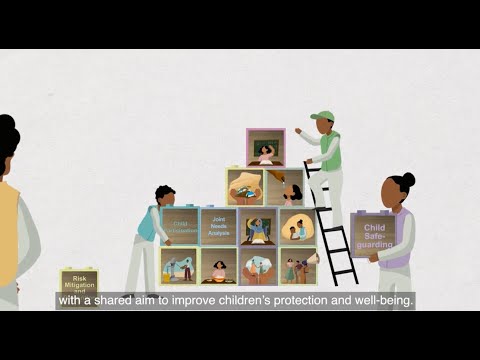
Frequently Asked Questions
This workshop has been developed with and for Child Protection, Camp Coordination and Camp Management (CCCM), Education, Food Security, and Nutrition sectors, including coordination teams and coordination group members.
There must be commitment from all selected sectors to select and ensure participation from each relevant sector, and a more equal presence and participation in the room between sectors.
Participants from other sectors, such as Health or Water, Sanitation, and Hygiene (WASH), may also participate, noting that some of the material will need to be adapted. See the adaptations from the piloting for suggestions. Module 6, in particular, will require added materials from external sources, so please do contact the CP AoR Help Desk ([email protected]) for assistance.
The workshops on Safe Recognition and Referrals and Child Safeguarding are for all humanitarian actors and sectors, no matter the sector they work for.
This workshop is adaptable in terms of its duration. It is important to determine the most appropriate schedule according to the availability of participants in your context. Agendas can be modified accordingly.
It is always recommended to start with the Safe Recognition and Child Safeguarding Modules as a prerequisite for the 6 Module training, with each of those modules being 1⁄2 – 3⁄4 day modules (1 to 1.5 days in total).
If modules 0 — 6 are facilitated consecutively, the total duration will span over two days or a little longer (2.5 to 3 days) if you would like to expand Module 6, allowing for lunch and other breaks.
If participants have sound knowledge of the basics of child protection, it may not be necessary to include module 1. Alternatively, if participants are new to concepts such as child protection mainstreaming and are not yet working together, module 5 on Integrated Programming may be relevant at the time.
While each module in this workshop package can be facilitated separately on different days, we recommend organising the first six modules altogether in a comprehensive two-day workshop. Or, alternatively, two one-day workshops within two weeks of each other. The purpose of this is to:
1. Set a solid foundation with a core group of Child Protection (CP) and sector colleagues.
2. Keep momentum.
3. Ensure the same participants attend all six foundational modules.
The participants for this training will largely depend on the context's needs and will likely be related to the nature of the humanitarian emergency itself.
For this training, coordination groups are asked to select only one other sector to pair with Child Protection to ensure a focused and practical learning experience. The training modules include sector-specific examples, exercises, and case studies that are designed to deepen understanding of how Child Protection and one selected sector can jointly reduce risks and improve outcomes for children.
Working with just one additional sector also allows participants to develop a concrete and achievable intersectoral action plan, with clearly defined activities and responsibilities. Including multiple sectors at once would dilute the depth of discussion and make it more difficult to design actionable next steps.
However, due to the close operational linkages and commonalities between the Food Security and Nutrition sectors, these two may be paired together with Child Protection in the training. Their shared objectives, coordination structures, and complementary approaches allow them to function as a combined sector for the purpose of developing integrated actions with CP.
There is flexibility in how you choose to facilitate the modules (in-person versus remotely or hybrid), the structure of the workshop (consecutive days versus spaced out over several weeks), and in the modules that you choose to facilitate. A hybrid approach is also feasible. For instance, Modules 1-3 and 6 are in-person while some of the remaining modules are online. You can refer to the Preparation Guide for Child Protection Coordinators for more tips.
Whichever way you decide to facilitate the modules, we encourage you to share modified agendas with the Global CP AoR that can be used as examples in other contexts.
The Rapid Guide for Child Protection Safe Recognition and Referral uses recognise instead of identification. This small difference is used to make the distinction between the roles and responsibilities of Child Protection actors and non-Child Protection actors.
Child Protection actors have a specific role in monitoring, formally identifying, assessing, gaining all required consent/assent, and registering and managing child protection cases; whereas non-Child Protection actors have a role of recognising a concern when they see or hear about it, and then taking action by safely referring it. Non-Child Protection actors are not expected to actively seek out child protection concerns or assess, investigate, or formally identify child protection concerns.
For material adaptation, additional resources, or any other questions regarding this training package, please feel free to reach out to the Global Help Desk at [email protected].